LAYERED PAINTING: HOW I BUILD AN IMAGE
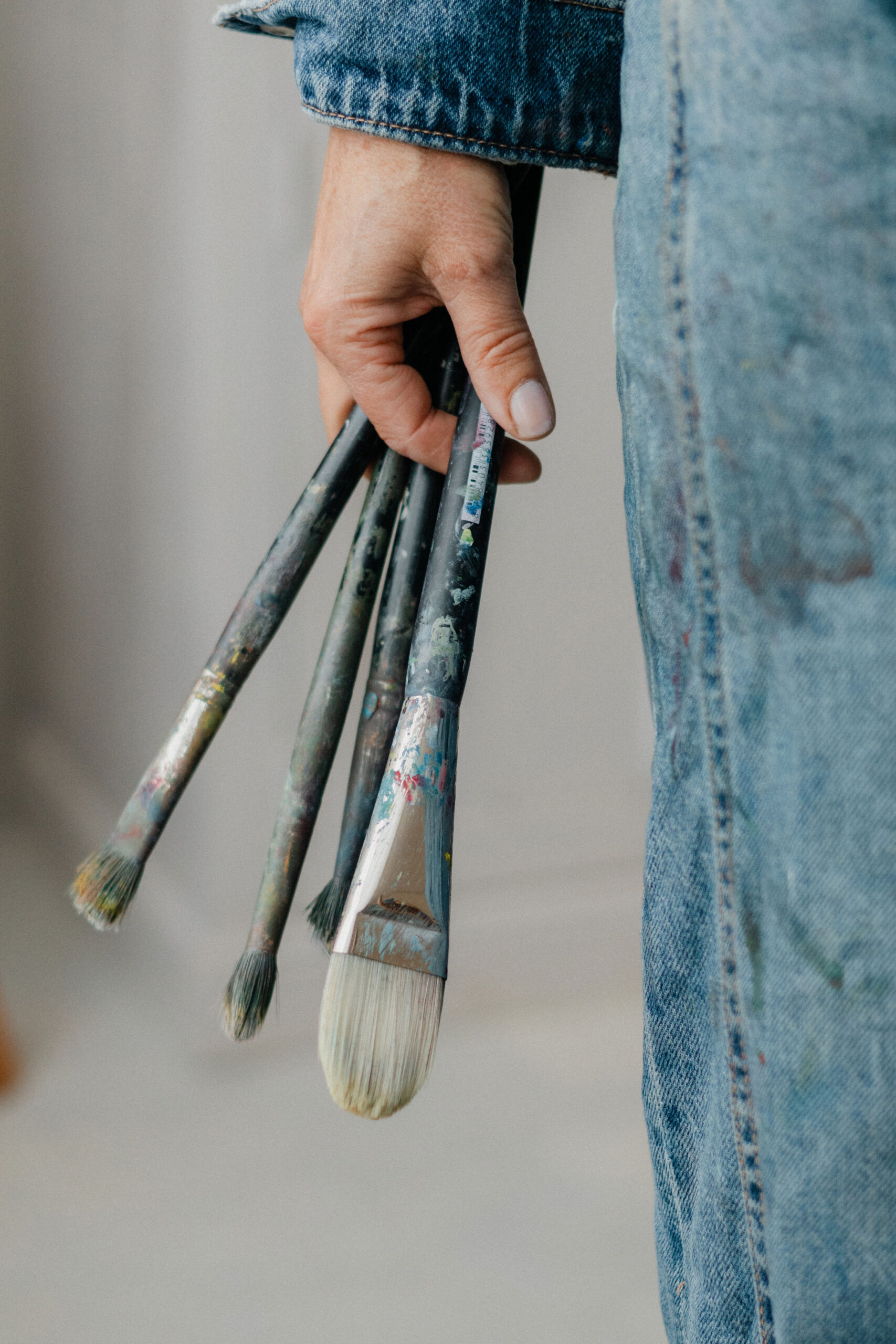
Working in layers is a natural part of the way I paint. Some of it comes from technique, especially when I work with oil paint. But layering is also part of how I build an image and how I find out what a painting needs. I rarely paint a landscape exactly as it appears in front of me. Colour changes, certain parts become stronger or disappear, and I decide what needs to come forward and what can remain further back. Layers help me do that.


WORKING IN LAYERS WITH OIL PAINT
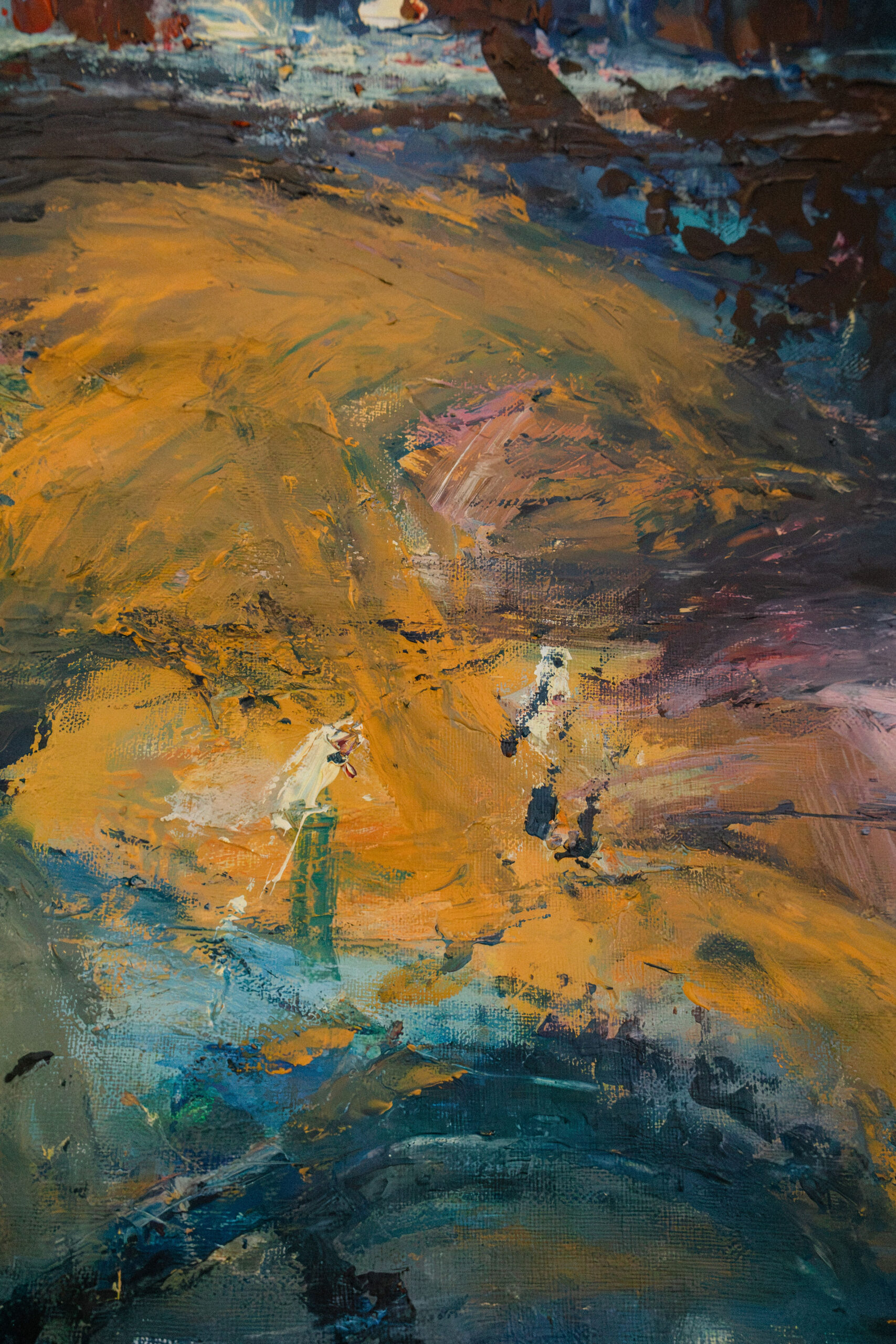
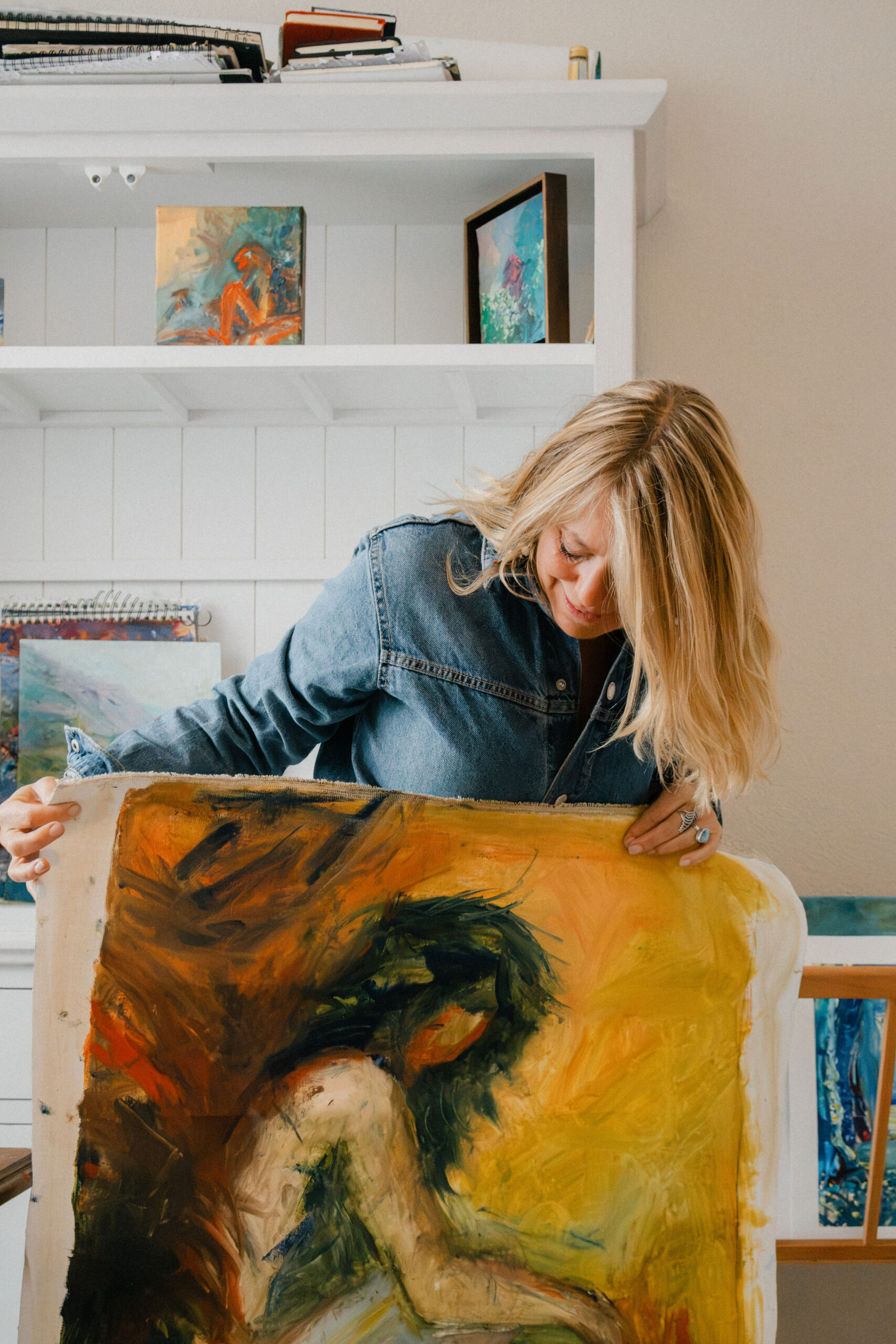
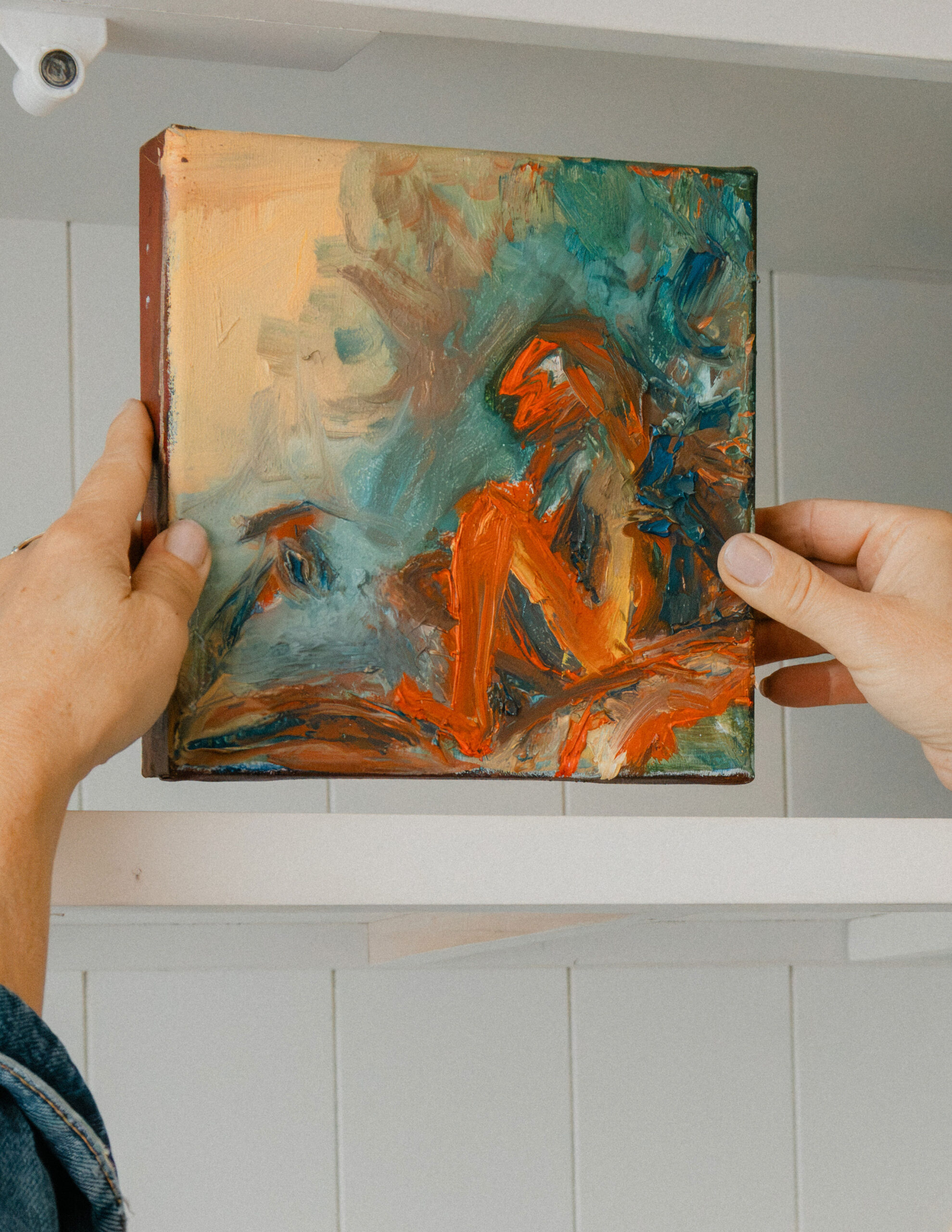
With oil paint, I am very aware of the possibilities of working layer over layer. I use different techniques for different parts of a painting and make choices about what I want a layer to do.
Sometimes that is about depth. A background asks for something different from an element that needs to come forward. Oil paint is wonderful for this because it allows me to build depth gradually.
The drying time also affects the way I work. I cannot always immediately put the next layer on top. Sometimes the painting simply has to wait. That waiting is part of working with oil.
ACRYLIC CHANGED THE SPEED
I have worked with acrylic since art school, although for years I hardly used it. During working periods in Italy I picked it up again, and at the moment I am doing a lot of research with it.
Acrylic gives me a completely different speed. I can put down a layer, let it dry and continue quite quickly. I can work transparently, use more water or add a transparent medium. If something is not working, I can respond to it almost immediately with another layer.
I often work on large sheets of paper on the floor, with bowls of water and paint around me. I use brushes, but also my fingers, nails and sometimes my whole hands. I mix while I am working rather than preparing everything beforehand. That makes the building of layers very physical.

LIGHT OVER THE LAND
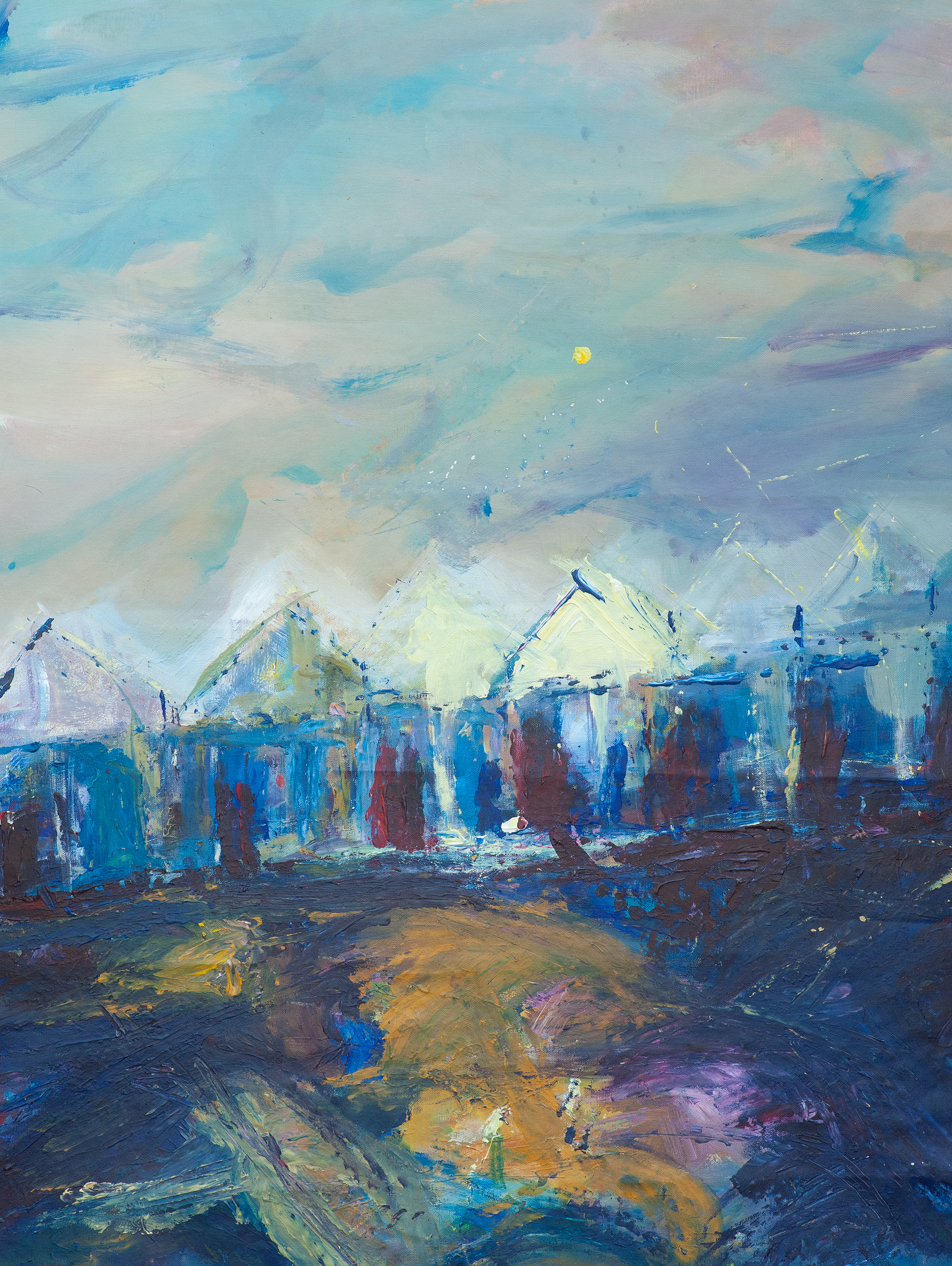
I am using this way of working in my recent Licht op het land works.
The starting point is the landscape around me in the Dutch Bollenstreek: the dark soil, the bulb fields and the greenhouses. I am fascinated by the light that falls on those greenhouses and is reflected by the glass, but also by what is happening underneath the soil. There is already growth there, although we cannot see it yet.
When I paint these works, I can move quickly through different layers of acrylic. Some are thin and transparent, others much more present. One layer changes what was underneath it, without necessarily making it disappear completely. For me, that is where layering becomes more than a technical decision. It becomes part of how I experience that landscape.

A LAYER DOESN’T HAVE TO STAY VISIBLE
Not everything I paint has to survive until the end. Something can be important while I am making the work and later almost completely disappear underneath another layer. I don’t see that as wasted work. What happened before has already influenced what I do next.
Sometimes I cover something because it has become too obvious. Sometimes another colour or mark simply needs to be there. And sometimes part of an earlier layer is exactly what I want to keep. I respond to what is happening in the work.

ACRYLIC AND OIL DON’T HAVE TO STAY APART
I don’t see acrylic and oil as two separate worlds. Sometimes I begin with acrylic and later continue with oil paint. Acrylic gives me speed and freedom in the first stages, while oil can bring a different depth later on.
There is no rule that one material is better than the other. They each have properties that I can use when I need them. That freedom is important to me.
WHEN IS A PAINTING FINISHED?
There is no fixed moment when I know a painting is finished. For me, it needs to have enough tension. Layering is part of that, but I also look for connection within the work and whether it can evoke stories. Not all of those things have to be equally present. Tension is probably the most important. And sometimes I only see that much later.
I recently took several works out of my archive that I had made two years ago. At the time, I had put them away. Looking at them again, I realised they could easily become part of a collection. They had what I was looking for: tension between the layers and the colours, a certain depth, enough mystery, and a technique that still felt right. Sometimes a painting needs time before I can see that.